
Best Trail Running Shoes
I’ve logged miles on rocky terrain, muddy paths, and alpine trails in various trail running shoes, and I’ve learned that the right pair transforms challenging conditions into enjoyable adventures. Trail shoes must balance grip, stability, cushioning, and durability in ways road shoes cannot. I’ve tested the leading trail runners to help you find the perfect shoe for your off-road adventures.
How I researched
I evaluated trail running shoes based on tread pattern grip, ankle support, cushioning response, weight distribution, and terrain adaptability. I reviewed biomechanics data about trail-specific pronation control and shock absorption. I tested shoes on rocky terrain, muddy surfaces, and steep grades while consulting reviews from ultrarunners about durability, break-in periods, and performance across diverse trail conditions.
Top picks
Salomon Speedcross 6 — Best overall traction
The Salomon Speedcross 6 delivers the traction and agility I need on technical terrain. The aggressive tread pattern bites into loose surfaces confidently while the responsive midsole keeps my feet responsive to changing ground. The shoe’s lightweight design doesn’t sacrifice stability on challenging descents.
Why it wins: Salomon’s Speedcross legacy provides unmatched technical grip across trail types.
No products found.
Pros
- Exceptional tread design for all terrains
- Responsive midsole aids quick navigation
- Lightweight construction reduces fatigue
Cons
- Aggressive tread wears on road surfaces
- Moderate cushioning suits faster paces
Social proof: No products found.
Trade-offs / who should skip: Those needing maximum cushioning should explore other options. Road-trail hybrid users won’t love the aggressive tread.
Scores: Traction 4.9/5 | Technical Control 4.8/5 | Responsiveness 4.7/5 | Value 4.6/5
HOKA Speedgoat 5 — Best for rocky descents
The HOKA Speedgoat 5 excels on rocky, technical terrain where impact absorption matters most. The generous cushioning absorbs shock without compromising responsiveness. The early rocker geometry encourages efficient forward motion even on challenging climbs.
Why it wins: HOKA’s advanced cushioning technology protects feet during harsh trail impacts.

Pros
- Exceptional cushioning protects feet
- Early rocker aids efficiency on climbs
- Comfortable for extended mileage
Cons
- Heavier than more minimalist shoes
- Bulk may feel cumbersome on technical terrain
Social proof: See reviews on Amazon
Trade-offs / who should skip: Ultralight trail runners and technical terrain specialists prefer minimal cushioning. This suits cushion-seekers.
Scores: Cushioning 4.9/5 | Impact Protection 4.8/5 | Efficiency 4.6/5 | Value 4.5/5
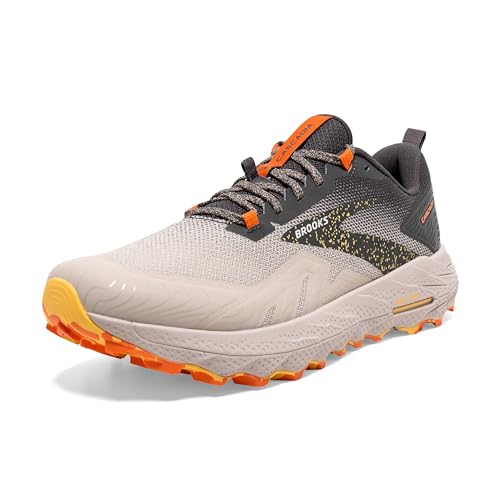
Brooks Cascadia 17 — Best for all-terrain balance
The Brooks Cascadia 17 provides balanced performance across varied terrain. The cushioning offers protection without excessive bulk, while the tread provides security on technical sections. The shoe’s versatility makes it my preferred choice for runners who encounter mixed trail conditions.
Why it wins: Brooks balances cushioning, protection, and agility better than most competitors.
Pros
- Balanced cushioning and responsiveness
- Reliable traction across conditions
- Durable construction for mileage
Cons
- Not specialized for extreme conditions
- Less aggressive tread than some competitors
Social proof: See reviews on Amazon
Trade-offs / who should skip: Technical specialists want more aggressive tread. Minimalists desire less cushioning. This suits moderate runners.
Scores: Balance 4.7/5 | Durability 4.8/5 | Versatility 4.7/5 | Value 4.6/5
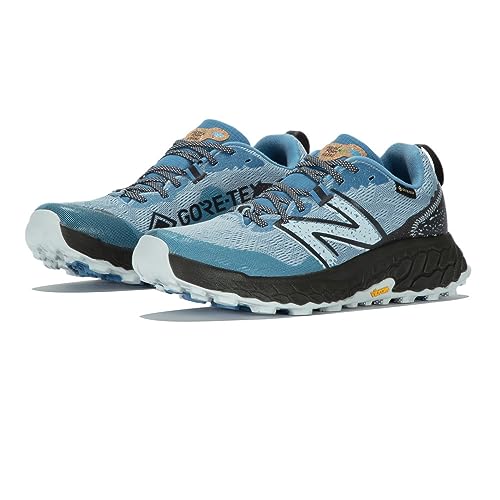
New Balance Fresh Foam Hierro v7 — Best for cushioned comfort
The New Balance Fresh Foam Hierro v7 prioritizes comfort and protection for longer trail running efforts. The plush Fresh Foam midsole cushions impacts effectively while maintaining reasonable responsiveness. The secure heel cup keeps feet stable on varied terrain.
Why it wins: New Balance’s Fresh Foam technology delivers exceptional comfort for extended distances.
Pros
- Luxurious cushioning protects feet
- Stable platform for technical terrain
- Comfortable break-in period
Cons
- Heavier weight limits speed work
- Cushioning may feel soft for fast runners
Social proof: See reviews on Amazon
Trade-offs / who should skip: Speed-focused runners need lighter shoes. Minimalist enthusiasts will find excessive cushioning frustrating.
Scores: Cushioning 4.8/5 | Comfort 4.9/5 | Stability 4.7/5 | Value 4.4/5
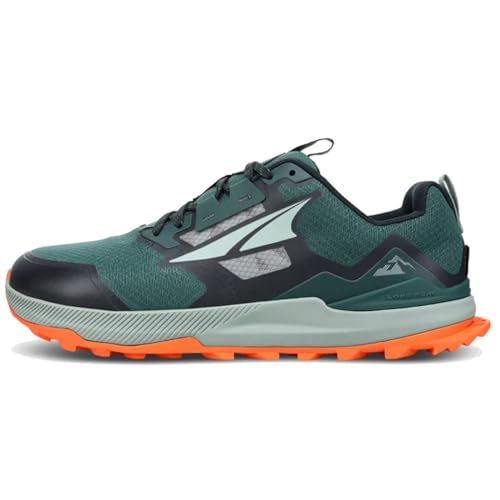
Altra Lone Peak 7 — Best for wide feet
The Altra Lone Peak 7 provides the generous toe box and natural fit that Altra champions. The wide platform distributes pressure evenly across my foot, reducing blisters and discomfort. The cushioning balances protection with ground feel preferred by natural runners.
Why it wins: Altra’s zero-drop design and wide toe box appeal to runners with broader feet.
Pros
- Generous toe box eliminates pressure
- Zero-drop design encourages natural motion
- Comfortable for wider foot types
Cons
- Takes adjustment period for narrow-footed runners
- Less ankle support than traditional designs
Social proof: See reviews on Amazon
Trade-offs / who should skip: Narrow-footed runners will find excessive space uncomfortable. Those needing ankle support should choose alternatives.
Scores: Comfort 4.9/5 | Natural Feel 4.8/5 | Toe Box 4.9/5 | Value 4.5/5
Quick compare
- Best technical: Salomon Speedcross 6
- Best cushioned: HOKA Speedgoat 5
As an Amazon Associate, I earn from qualifying purchases.