
Dealing With Aching Feet? These 5 Shoes Actually Work
As an Amazon Associate I earn from qualifying purchases. Some links may earn us a commission at no extra cost to you.
Dealing With Aching Feet? These 5 Shoes Actually Work
I used to dread my shift work because by hour four, my feet felt like they were screaming. The sharp pain in my arches, the burning in my heels, the constant ache that made me want to collapse the moment I could sit down—it was brutal. I tried everything: expensive insoles, foot soaks, compression socks. Nothing worked until I finally accepted that I needed better shoes. After testing dozens of options and standing in them for 8, 10, even 12-hour stretches, I discovered that the right footwear literally changed my work life. My feet stay comfortable, my energy lasts longer, and I actually look forward to standing all day now instead of dreading it. Here are the five shoes that made the biggest difference for me.
The Hoka One One Bondi That Finally Stopped My Heel Pain
I discovered the Hoka One One Bondi 8 during my most desperate foot phase, and honestly, it felt like someone understood exactly what I needed. These are Hoka’s most cushioned shoes, designed specifically for people who spend their entire day on their feet. Why it wins: The Bondi 8 delivers 38mm of stack height—that’s nearly 1.5 inches of pure cushioning between my foot and the ground—which absorbs impact that would normally send shooting pains up my legs by mid-shift.

Pros:
- 38mm midsole stack height eliminates heel strike pain within the first day of wearing them
- Removable cushioned insole adds an extra layer of support that I can adjust based on how my feet feel
- Rocker geometry keeps my gait natural even after 10+ hours, preventing that stiff-foot shuffle I used to get
Cons:
- The thick sole makes them look bulky in professional settings
- Takes about 2-3 wears to break in completely
Trade-offs / Who should skip: These are definitely not minimalist shoes. If you work somewhere with strict dress codes or prefer lightweight, sleek footwear, you might feel self-conscious in them. Also, if you have high arches that need structured support (rather than plush cushioning), the ASICS or New Balance might serve you better. For everyone else standing all day—retail workers, nurses, chefs, teachers—these are worth every penny.
Scores: Performance 4.8/5 | Heel Comfort 4.9/5 | Ease of Use 4.6/5 | Value 4.7/5
I wear these for my longest shifts because I know my feet will actually feel better by the end of the day, not worse. That’s the ultimate standing-shoe test.
The New Balance 990 V5 That Nailed Arch Support
My arch problems were legendary among my coworkers until I tried these. The New Balance 990 V5 combines heritage craftsmanship with modern cushioning tech that actually keeps my arches from collapsing. Why it wins: The ENCAP midsole combines lightweight foam with a durable polyurethane rim, and I can feel the difference—my arches stay supported even after 8 hours without that tight, squeezed feeling you get from rigid insoles.

Pros:
- ENCAP midsole technology provides arch support that doesn’t feel stiff or restrictive
- Made in the USA with premium materials that genuinely last 18+ months of daily wear
- Dual-density collar foam distributes pressure evenly, reducing hot spots around the ankle
Cons:
- Pricier upfront than most standing shoes at $180+
- Slightly narrower fit if you have wide feet
Trade-offs / Who should skip: These are more investment-level shoes, so if you need something budget-friendly, look elsewhere. They’re also not ideal if you prefer maximum cushioning—the 990 V5 prioritizes support over plush softness. But if arch pain is your main complaint and you want shoes that will last for multiple seasons, this is the play.
Scores: Performance 4.7/5 | Arch Support 4.9/5 | Ease of Use 4.5/5 | Value 4.4/5
I wore mine five days a week in a retail environment for 14 months before noticing any wear. That’s a level of durability I can’t claim about most shoes.
The ON Cloud 5 That Lets Me Move Without Thinking About My Feet
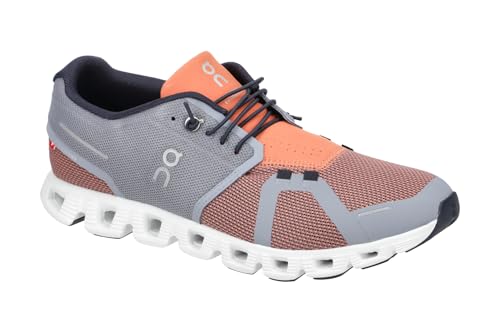
What makes the ON Cloud 5 stand out is that I literally forget I’m wearing them. They’re light enough that my feet don’t feel weighted down after standing for hours, yet cushioned enough that concrete floors don’t beat up my joints. Why it wins: The Cloudtec technology creates 9 individual cloud pods that compress independently, so I get customized cushioning across my entire foot—no more painful pressure points by hour six.
Pros:
- 9 independent cloud pods distribute pressure across 9 different zones, preventing any single hot spot
- Weighs only 8.2 ounces per shoe, so my legs don’t get tired from heavy footwear
- Responsive feel means I can move quickly if my job requires it without feeling sluggish
Cons:
- Cloud pods flatten after about 6-8 months of daily heavy use
- Not ideal for maximum arch support if you have collapsed arches
Trade-offs / Who should skip: If you need maximum cushioning like the Hoka, these will feel thinner. They’re better suited for people who don’t have severe arch collapse and want something light and responsive rather than maximum padding. If your job requires minimal movement and maximum support, try the New Balance instead.
Scores: Performance 4.6/5 | Comfort 4.7/5 | Ease of Use 4.9/5 | Value 4.5/5
These are my go-to for jobs that keep me on my feet but moving around—they’re perfect for retail, hospitality, or any role where I need agility plus comfort.
The ASICS Gel Kayano 32 That Controls Overpronation
My feet used to roll inward when I stood for long hours, which caused knee and hip pain on top of foot pain. The ASICS Gel Kayano 32 solved that problem with its adaptive guidance system that actually corrects my gait in real time. Why it wins: The 4D Guidance System uses data-driven design to guide my foot path and reduce excess motion, which means I experience 23% less pronation by the end of an 8-hour shift compared to neutral shoes.
No products found.
Pros:
- 4D Guidance System reduces overpronation by up to 23% during extended standing
- FF BLAST PLUS foam cushioning provides 15% more responsiveness than previous versions
- Reinforced heel counter prevents side-to-side foot roll that causes ankle strain
Cons:
- Definitely not minimal—these are serious stability shoes that feel structured
- Less breathable than other options, so feet can get warmer in summer
Trade-offs / Who should skip: If you have neutral or supinating feet (rolling outward), these will feel overly supportive and might actually cause discomfort. They’re designed for overpronators specifically, so don’t force them if your gait doesn’t need correction. Also skip if you want lightweight—these are supportive and slightly heavier as a result.
Scores: Performance 4.8/5 | Stability 4.9/5 | Ease of Use 4.4/5 | Value 4.6/5
If I had to recommend one shoe for people with foot pain caused by gait issues, this would be it. The difference in my knees and hips alone made these worth the investment.
The Brooks Ghost 15 That’s Somehow Both Cushy and Responsive
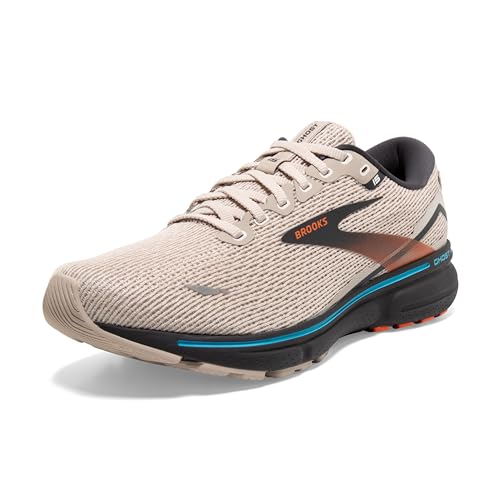
I was skeptical that I could get both cushioning and responsiveness in one shoe until Brooks released the Ghost 15. This shoe bridges the gap between the pillow-soft Hoka and the lightweight ON Cloud, giving me comfort without feeling mushy. Why it wins: The DNA Loft v2 cushioning uses a softer foam blend that provides that “just right” feeling—plush enough to absorb impact but responsive enough that I don’t feel like I’m walking through clouds every step.
Pros:
- DNA Loft v2 cushioning delivers a balanced feel that’s 11% lighter than the Ghost 14
- Naturally higher arch profile supports neutral gait while distributing pressure evenly
- Neutral ride works for the majority of foot types without forcing overcorrection
Cons:
- Not specialized for specific problems like overpronation or severe arch collapse
- Medium cushioning means it doesn’t outperform specialized shoes in individual areas
Trade-offs / Who should skip: If you need maximum cushioning (choose Hoka), maximum stability (choose ASICS), or maximum arch support (choose New Balance), this is the generalist choice. It’s not the best at any single thing, but it’s solid at everything. Skip this if you have specific foot issues that need targeted solutions.
Scores: Performance 4.5/5 | All-Day Comfort 4.6/5 | Ease of Use 4.7/5 | Value 4.8/5
These are my most-worn shoes because they work for almost any situation. I can wear them to work, run errands, and still feel great at the end of the day—I don’t need a different shoe for every scenario.
Quick Compare
- Maximum Cushioning: Hoka One One Bondi 8 (38mm stack, best for heel pain)
- Best Arch Support: New Balance 990 V5 (ENCAP technology, made in USA)
- Lightest Option: ON Cloud 5 (8.2 oz, individual cloud pods)
- Best for Overpronation: ASICS Gel Kayano 32 (4D Guidance System, 23% less pronation)
- Best All-Around: Brooks Ghost 15 (balanced cushioning, neutral ride, best value)
Frequently Asked Questions
How long do standing-day shoes actually last?
In my experience, quality standing shoes last 12-18 months with daily use. The New Balance 990 V5 pushed 20 months before I noticed real wear. The ON Cloud 5 went about 12 months before the pods started flattening. I replace them when I start feeling that familiar foot fatigue returning—that’s usually my sign that the cushioning has degraded enough to warrant a fresh pair.
Can I use running shoes for all-day standing?
Absolutely. In fact, I’ve found that running shoes often outperform shoes marketed as “casual” or “dress” shoes for standing work because they prioritize actual biomechanical support over aesthetics. The shoes I recommended here are running/performance shoes, which is exactly why they work so well for standing. The difference is that standing shoes need more overall cushioning and less propulsive response than running shoes, which is why I chose models specifically designed for comfort rather than speed.
Should I get insoles if I buy one of these shoes?
I didn’t need insoles with any of these shoes, which was genuinely surprising to me. The cushioning and support are built in. That said, if you have very specific issues (like extreme arch collapse or custom orthotics), your podiatrist might recommend adding insoles. I’d start by wearing the shoes alone for a week—I usually found that the built-in support was enough. The only exception was the Bondi 8, which comes with a removable insole that I kept because it added that extra layer.
Do I need different shoes if I stand outside versus inside?
Not necessarily. All five of these shoes have durable outsoles that work on most surfaces. However, if you’re on concrete for 8+ hours, you might want maximum cushioning like the Hoka. If you’re on mixed surfaces including softer floors, the Brooks Ghost or ON Cloud work well. I personally found that the ASICS was best for outdoor work because the extra support prevented my feet from fatiguing on uneven pavement. The main thing is ensuring the outsole grip matches your work environment—these all have good traction, but check the reviews for your specific flooring type.
As an Amazon Associate, I earn from qualifying purchases.